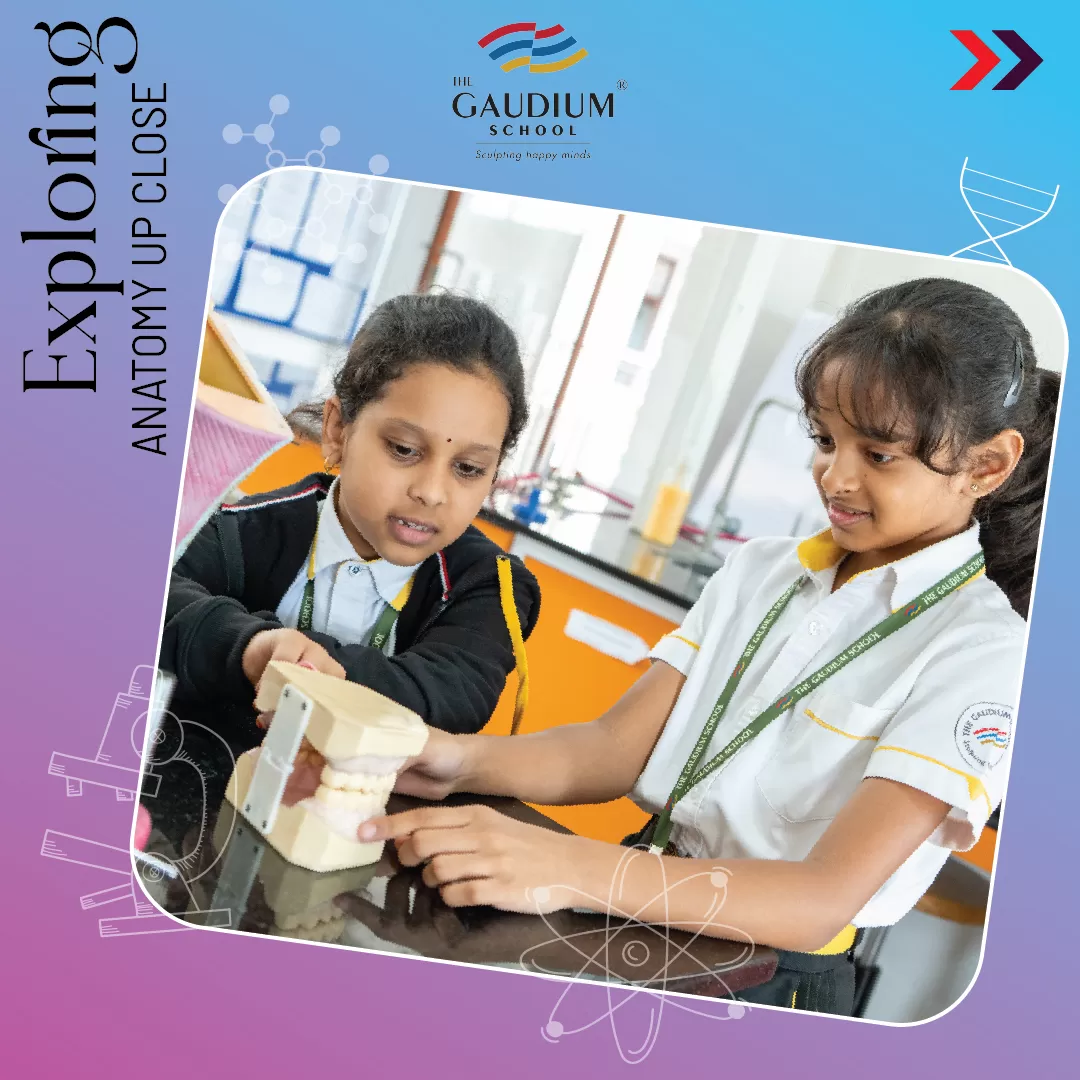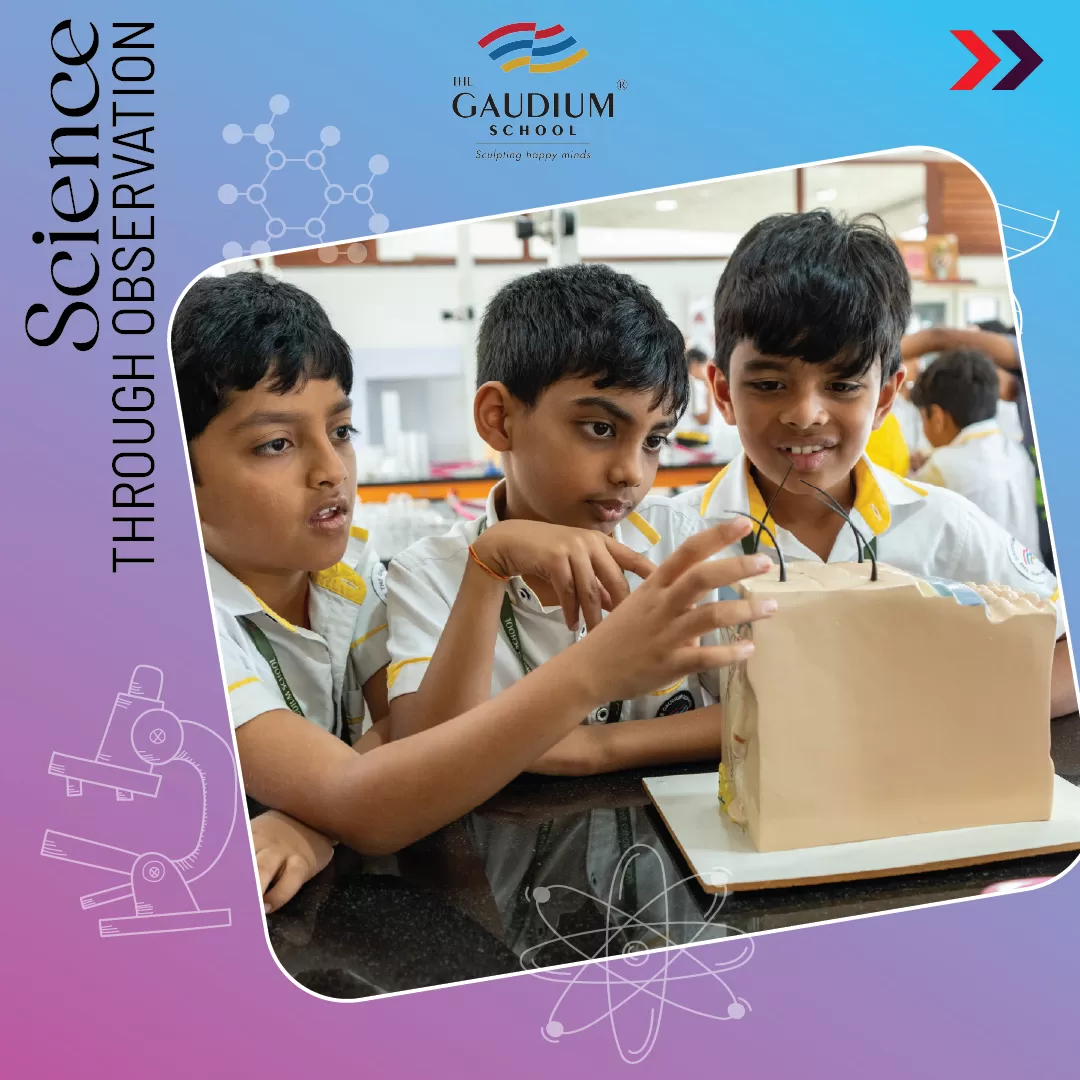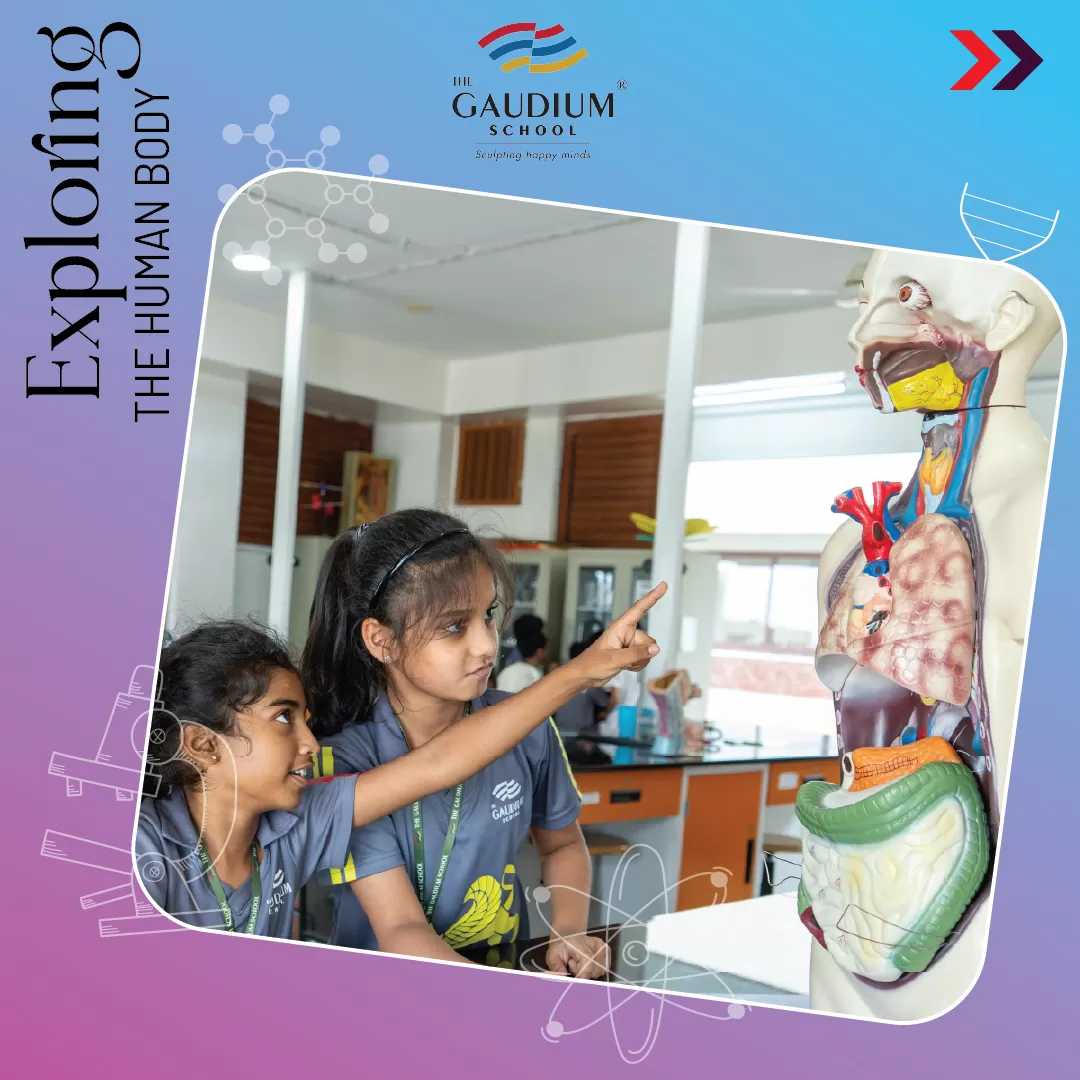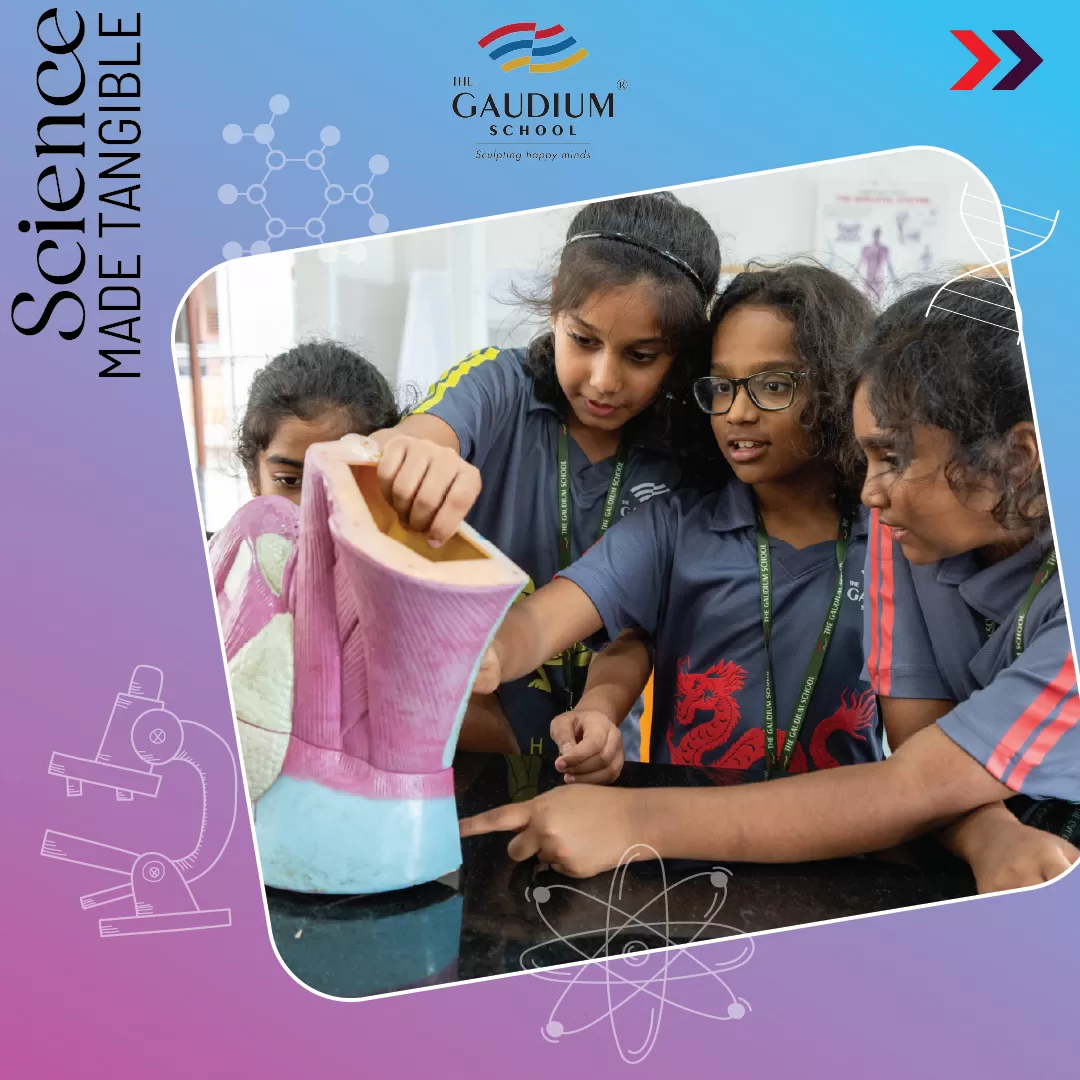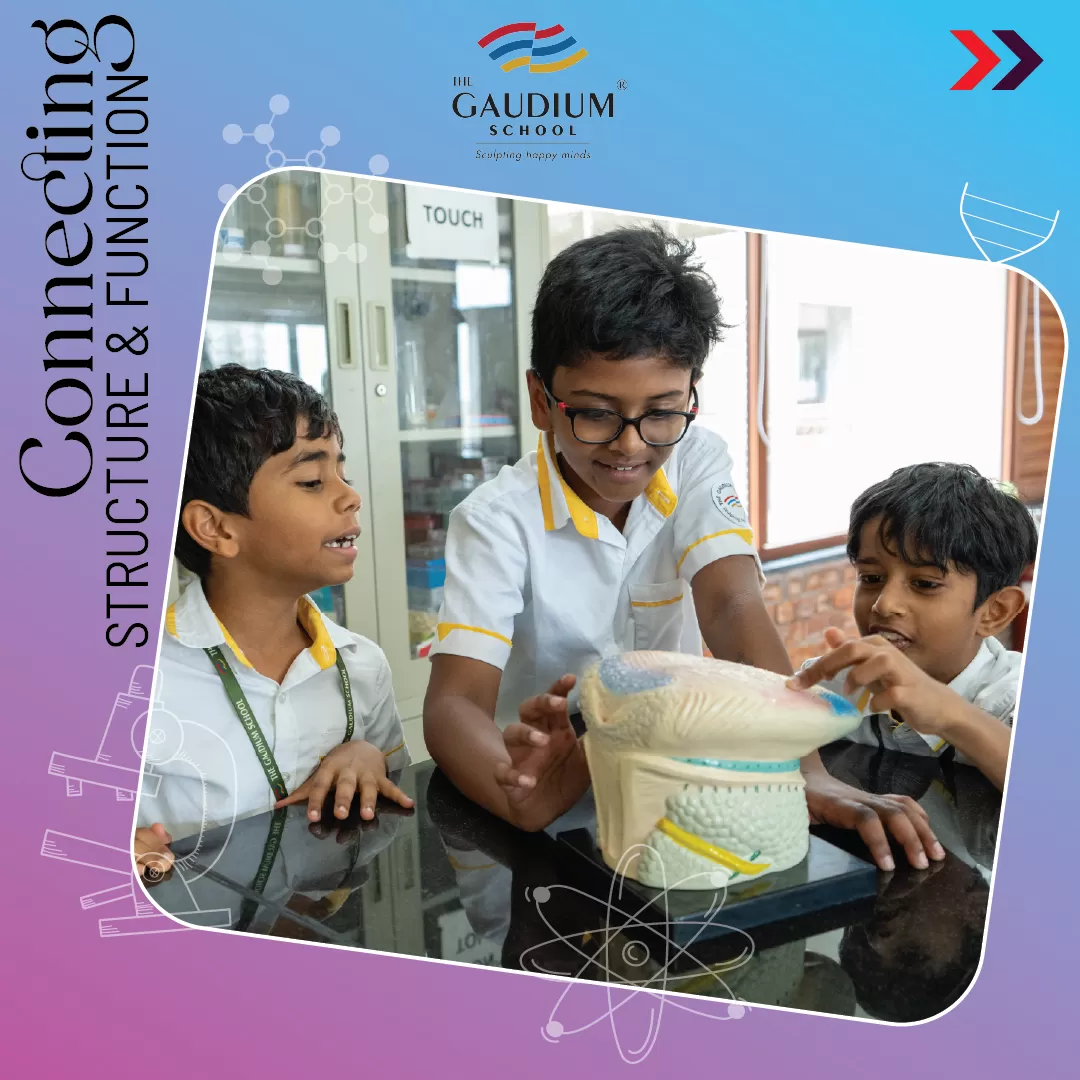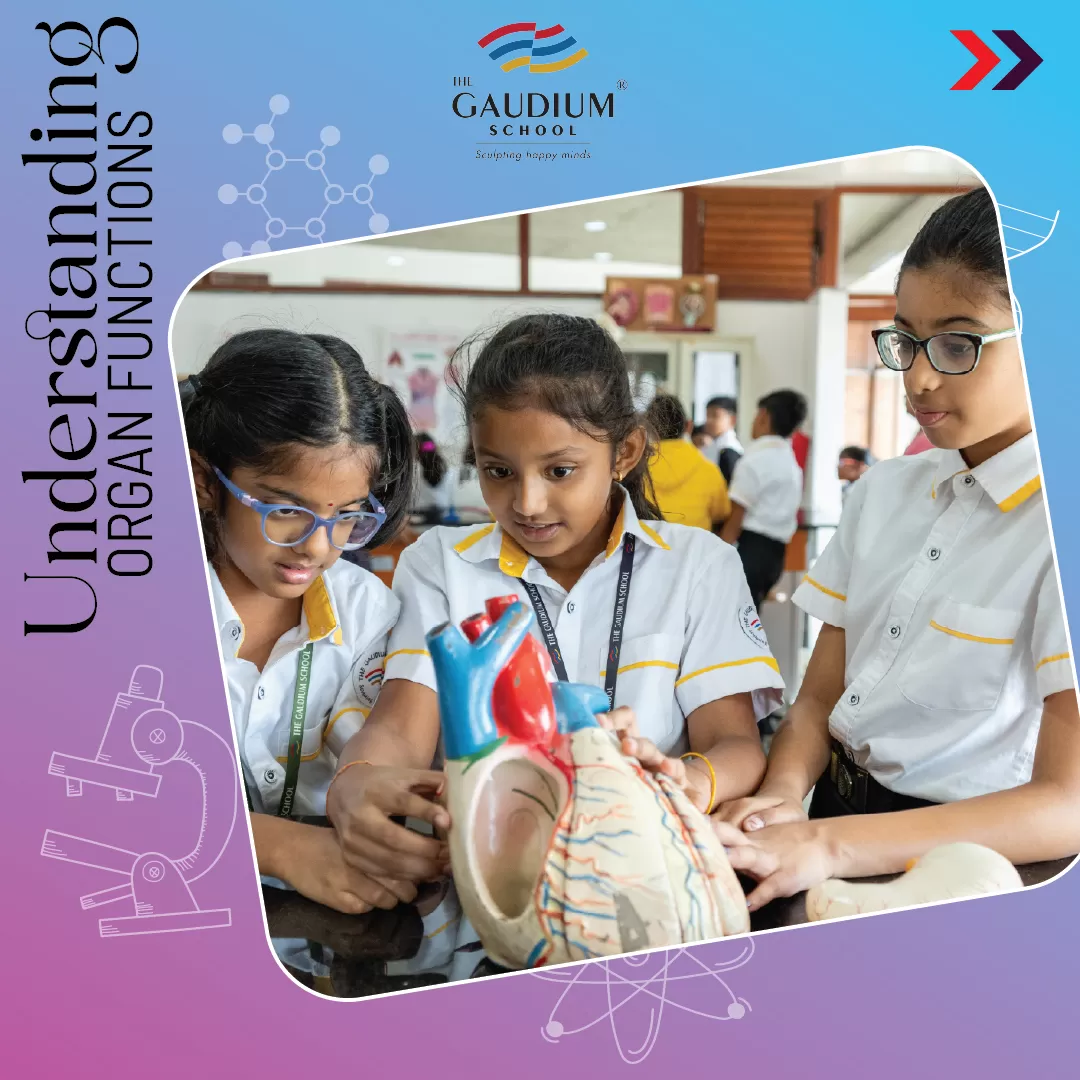

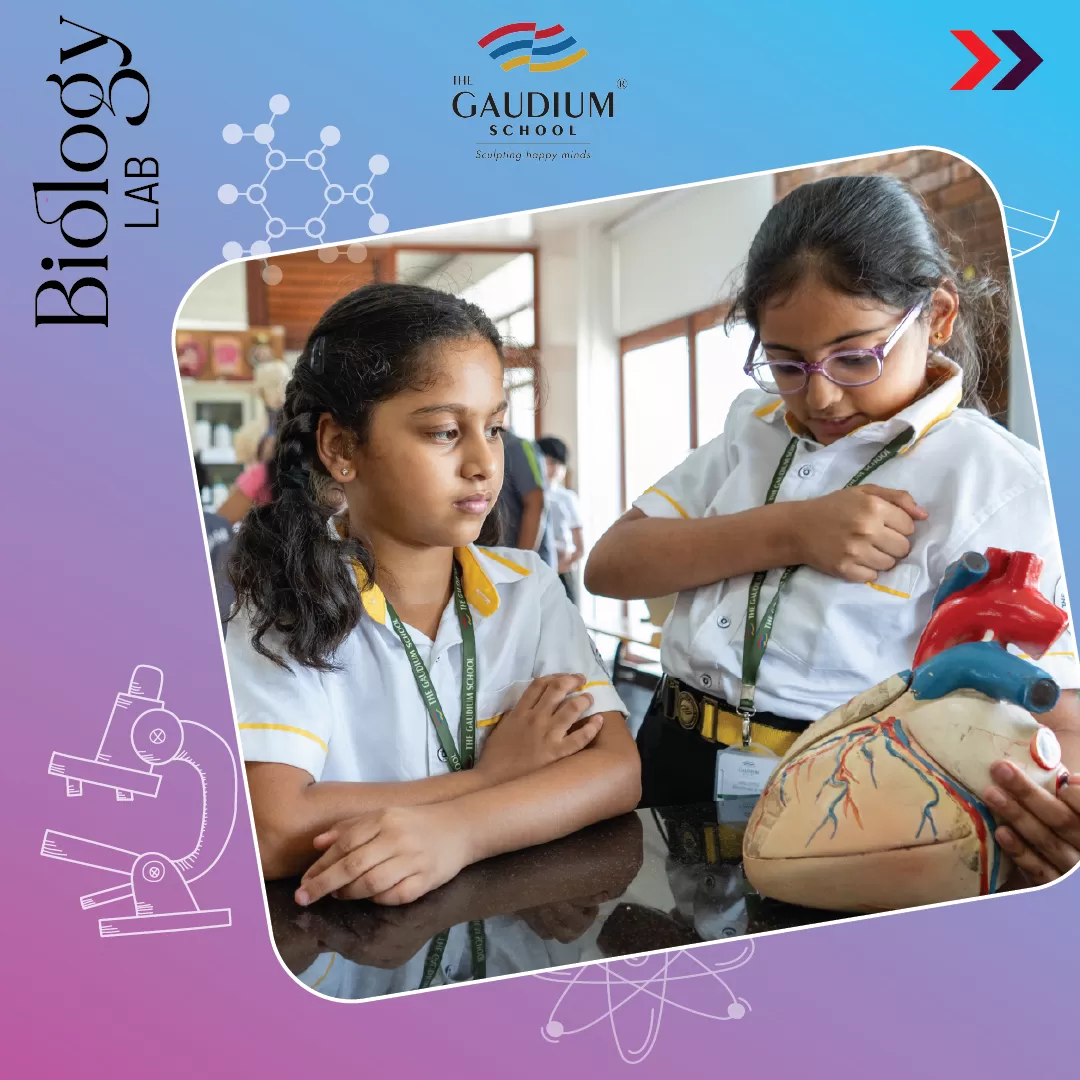
Textbook lessons often leave abstract concepts floating just out of reach, but practical, experiential learning bridges that gap by transforming passive listening into active discovery. As part of their Unit of Inquiry on the Human Body Systems, our Grade 4 students recently embarked on an enriching journey that took their learning far beyond the traditional classroom walls and directly into the immersive environment of the Biology Lab. For young learners, stepping into an authentic laboratory setting immediately elevates curiosity, shifting their perception of science from a static subject in a textbook into a dynamic, living world waiting to be explored.
Surrounded by specialized laboratory resources and detailed anatomical models, the students entered an environment tailored specifically for hands-on exploration and discovery. Experiential learning thrives when young minds can physically touch, examine, and manipulate the subjects of their study, turning complex bodily structures into tangible realities. By interacting directly with these anatomical models and lab equipment, the Grade 4 students moved past basic memorization, gaining a rich, multi-sensory understanding of how intricate biological systems function together.
This practical engagement served as a powerful catalyst for developing critical scientific thinking among these young scholars. As they engaged with the physical resources, the hands-on experience naturally encouraged them to observe closely, make logical connections between different internal systems, and ask meaningful questions that deepened their comprehension. By directly linking theoretical classroom concepts with real-life applications, experiential learning allowed these Grade 4 students to think like true young scientists—analyzing structures, questioning mechanisms, and connecting theory to reality in real time.
Beyond academic comprehension, the tactile nature of practical learning fosters a profound personal connection to the material. Seeing the inner workings of human biology up close inspired the students to reflect deeply on their own bodies and daily habits. The lab visit sparked meaningful contemplation regarding the critical importance of making healthy choices, prioritizing self-care, and actively caring for their overall well-being—lessons that resonate far more powerfully when grounded in direct physical observation rather than abstract lecture notes.
Ultimately, this visit to the Biology Lab highlights why experiential learning is so vital for young, impressionable minds during their foundational educational years. By transforming the Grade 4 Unit of Inquiry on the Human Body Systems into an interactive journey of discovery, the experience left a lasting impression that extends far beyond the classroom. Hands-on learning not only solidifies scientific concepts and real-life applications, but it also cultivates lifelong curiosity, empowering young students to appreciate their personal health and view the world through a lens of continuous inquiry.