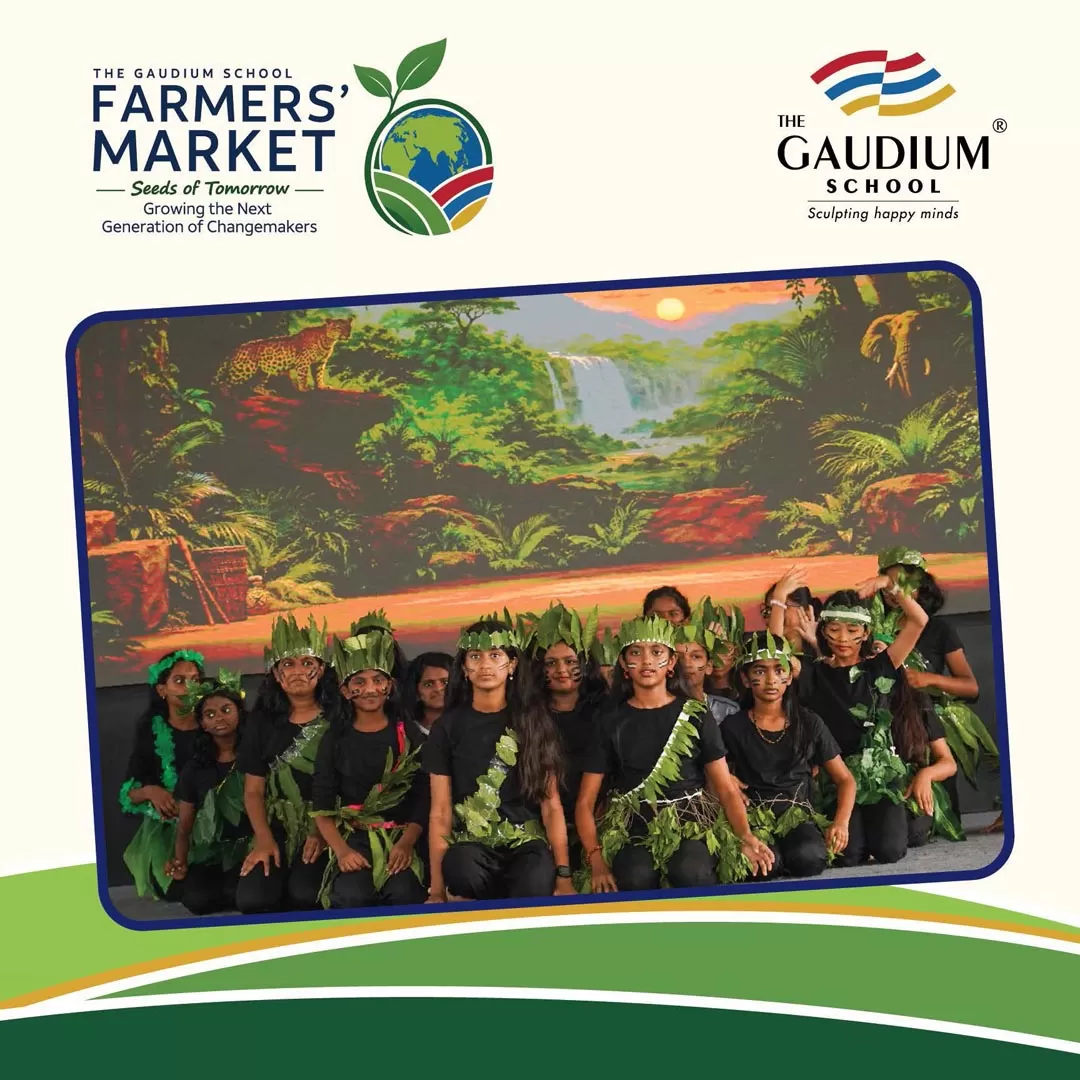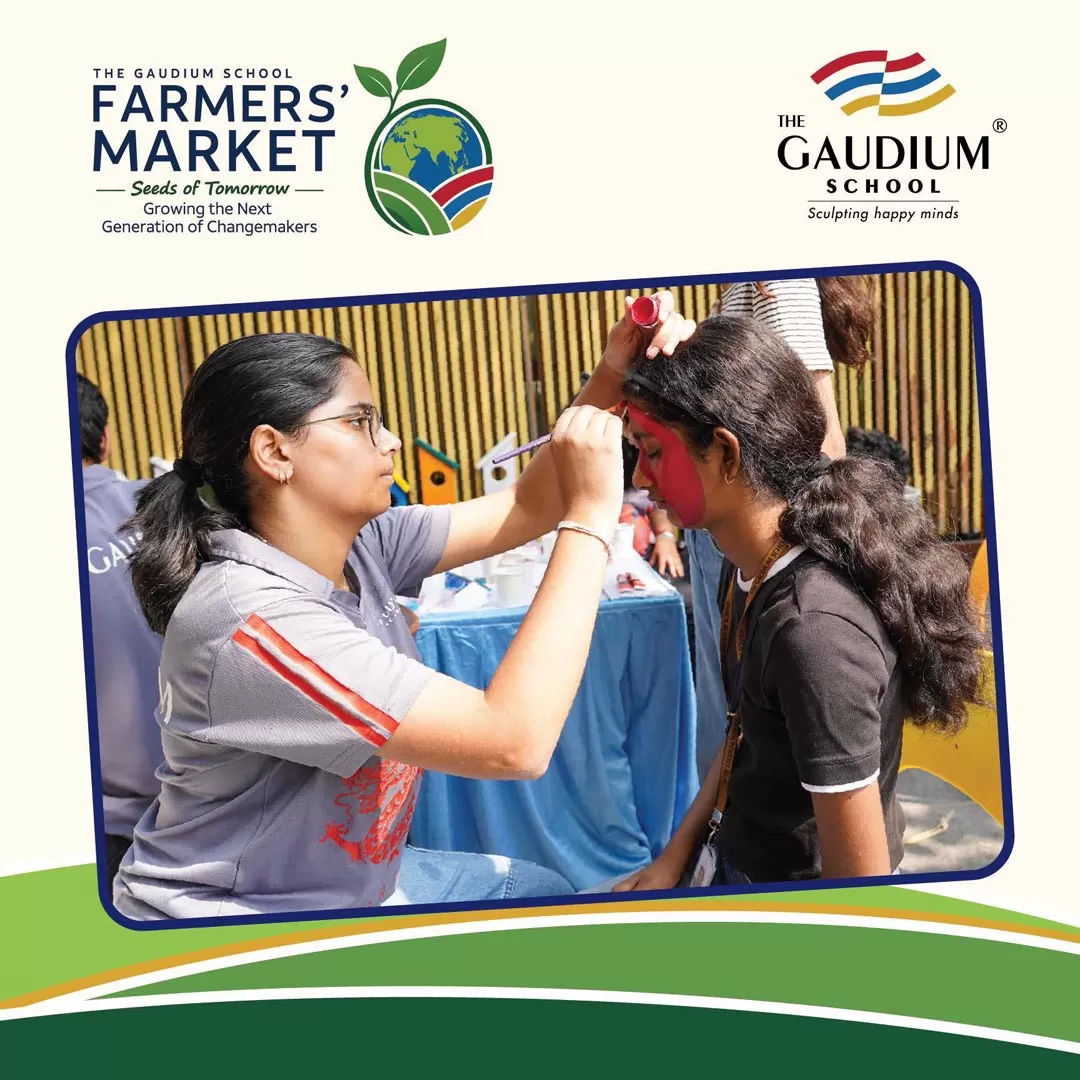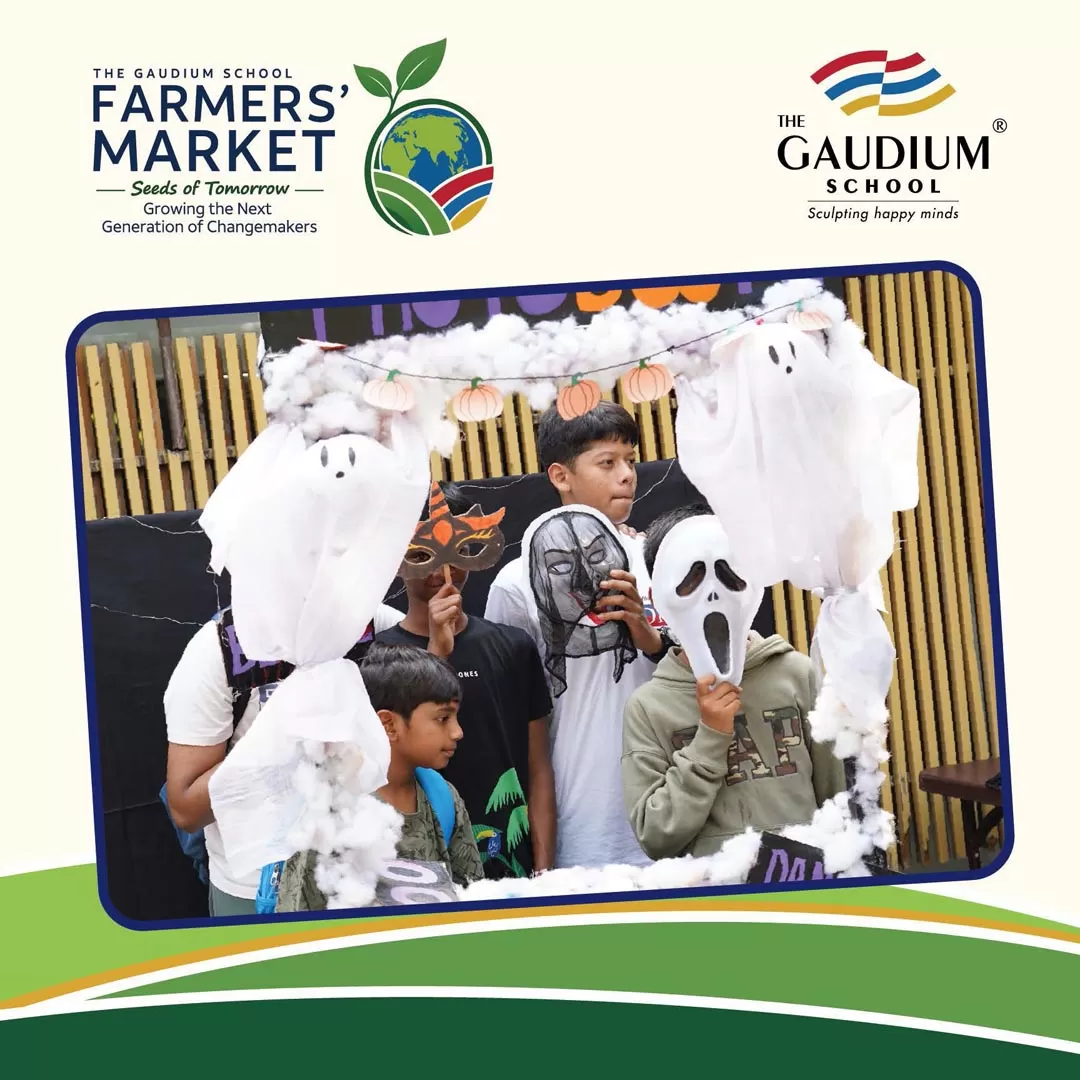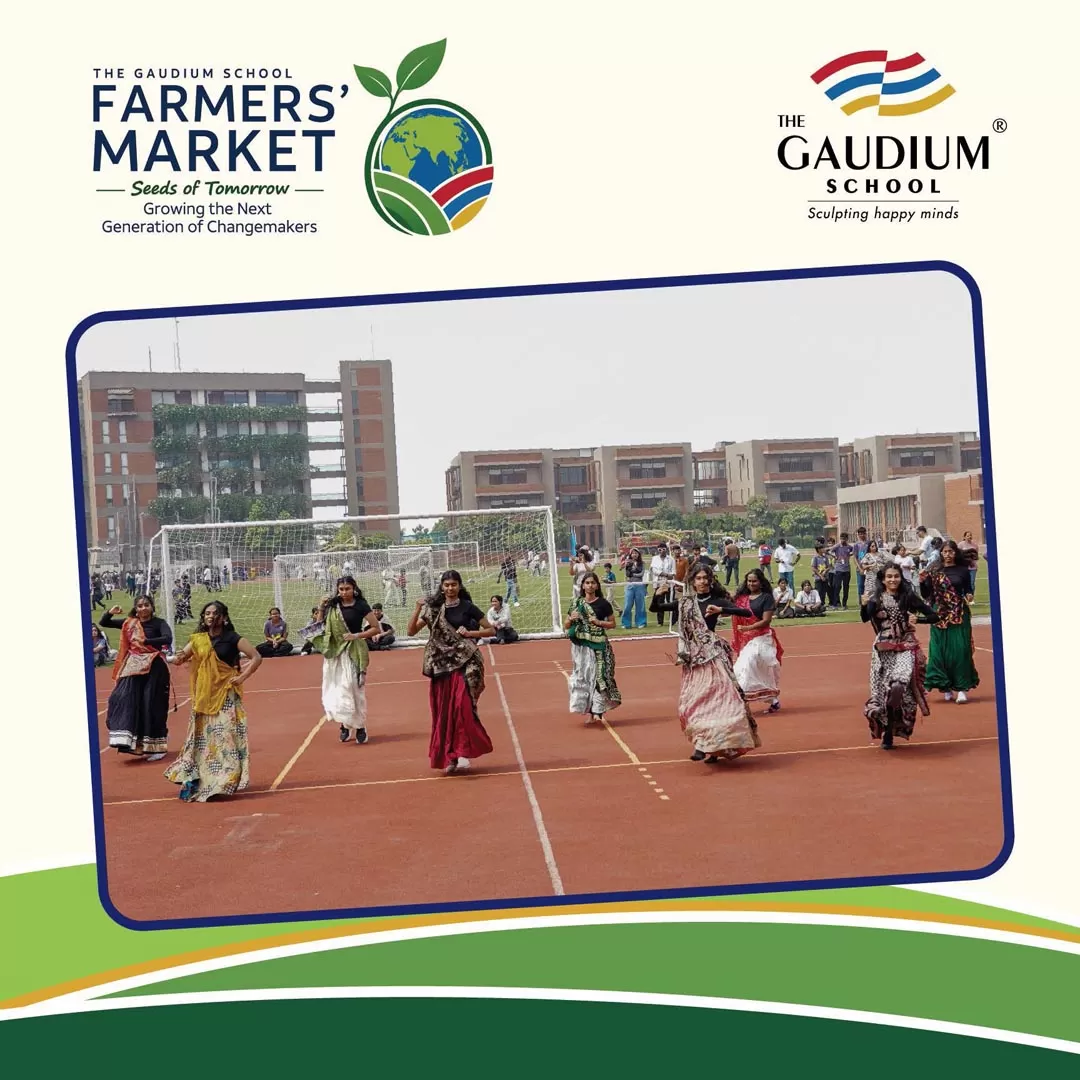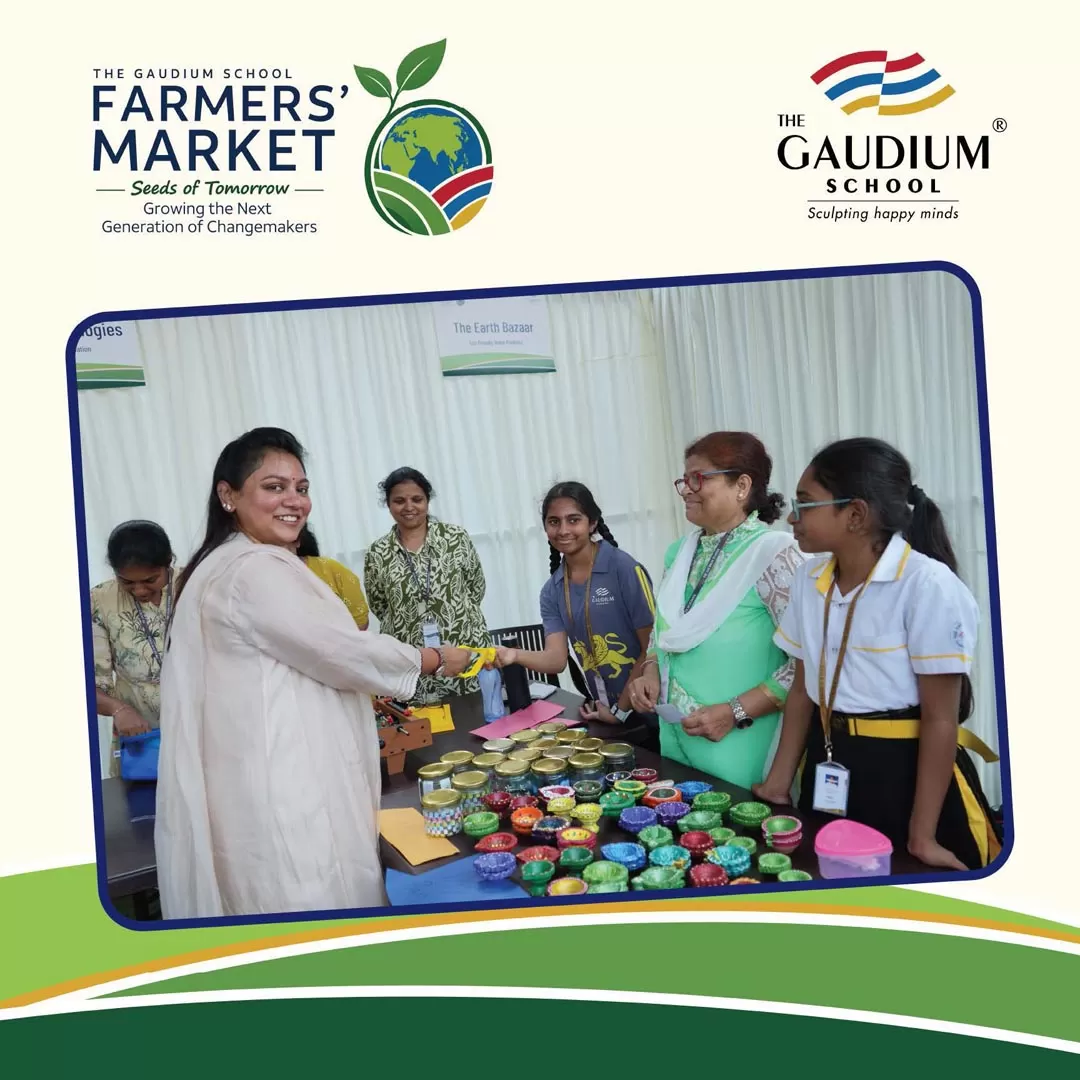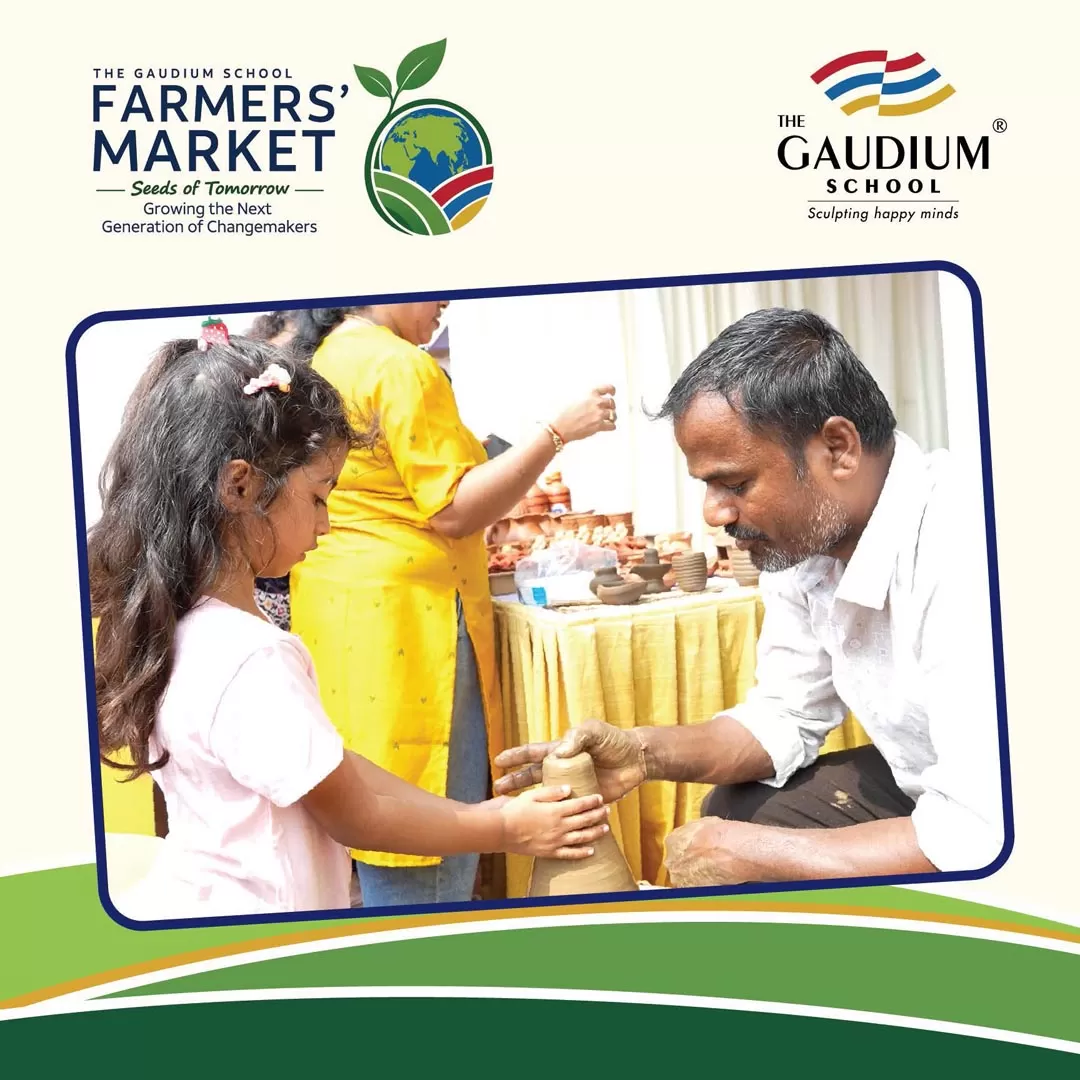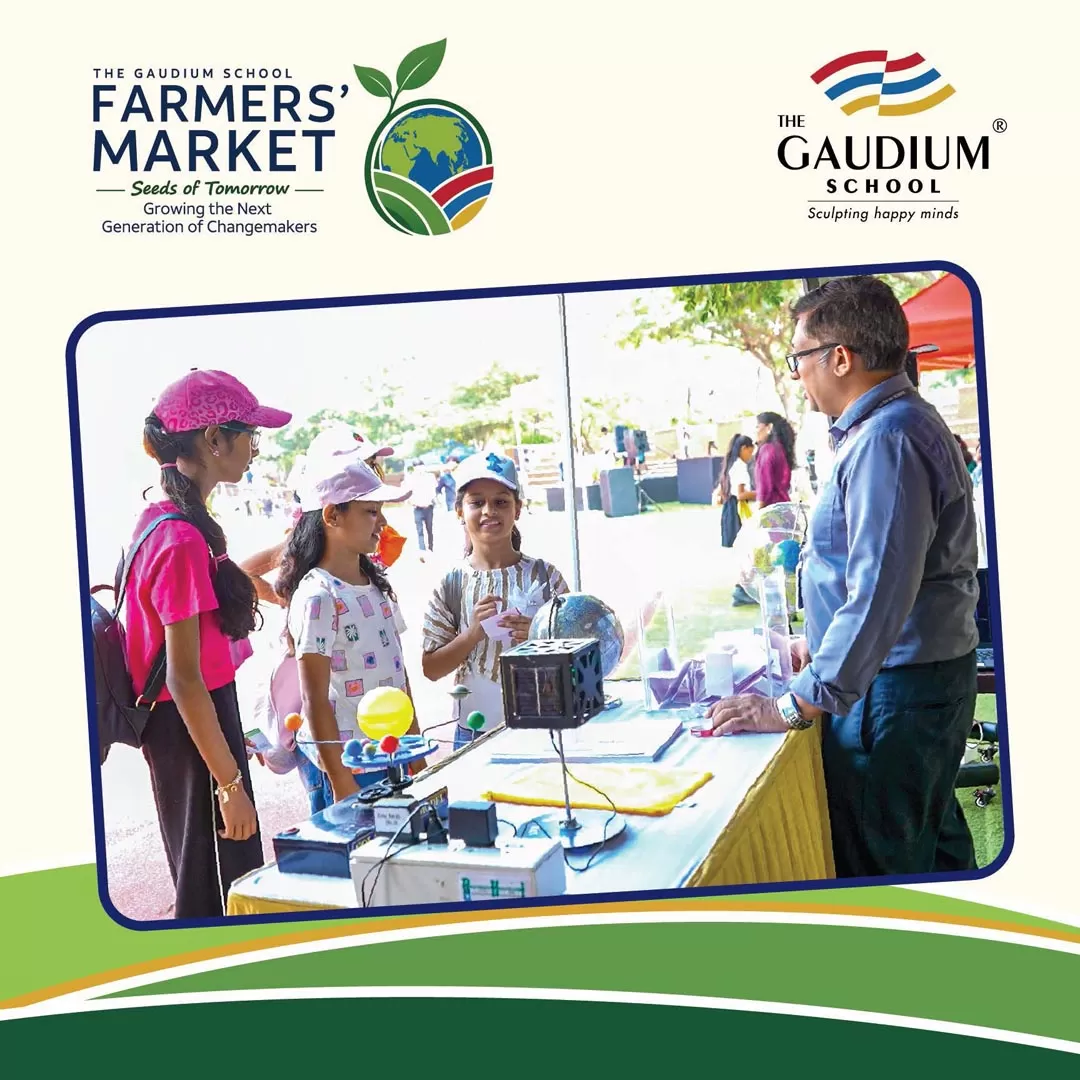

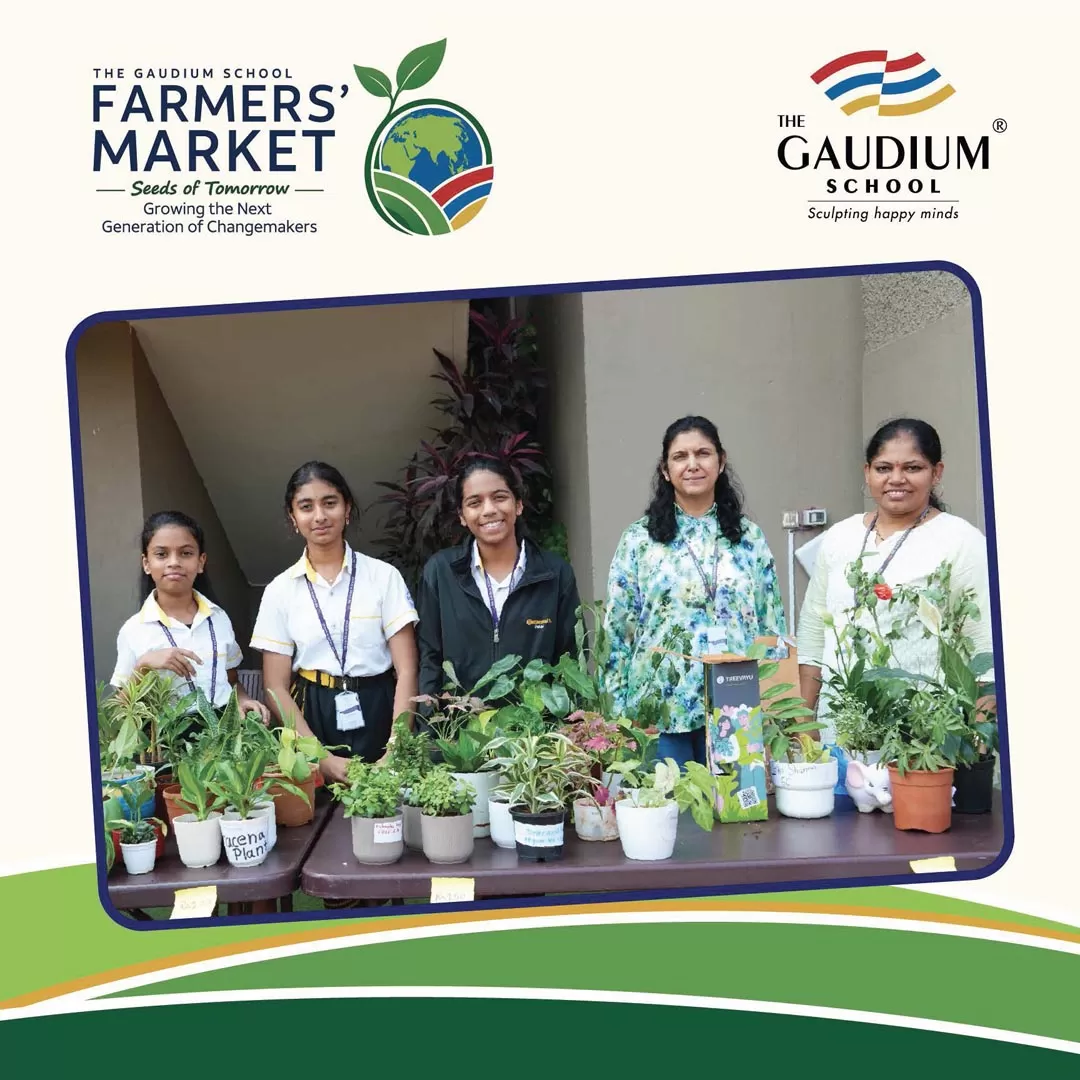
The Gaudium School’s Farmers’ Market represented far more than a seasonal event. It functioned as a capstone experiential platform where students synthesised classroom learning into tangible, purposeful outcomes—demonstrating how pedagogy becomes meaningful when connected to real-world application and community engagement.
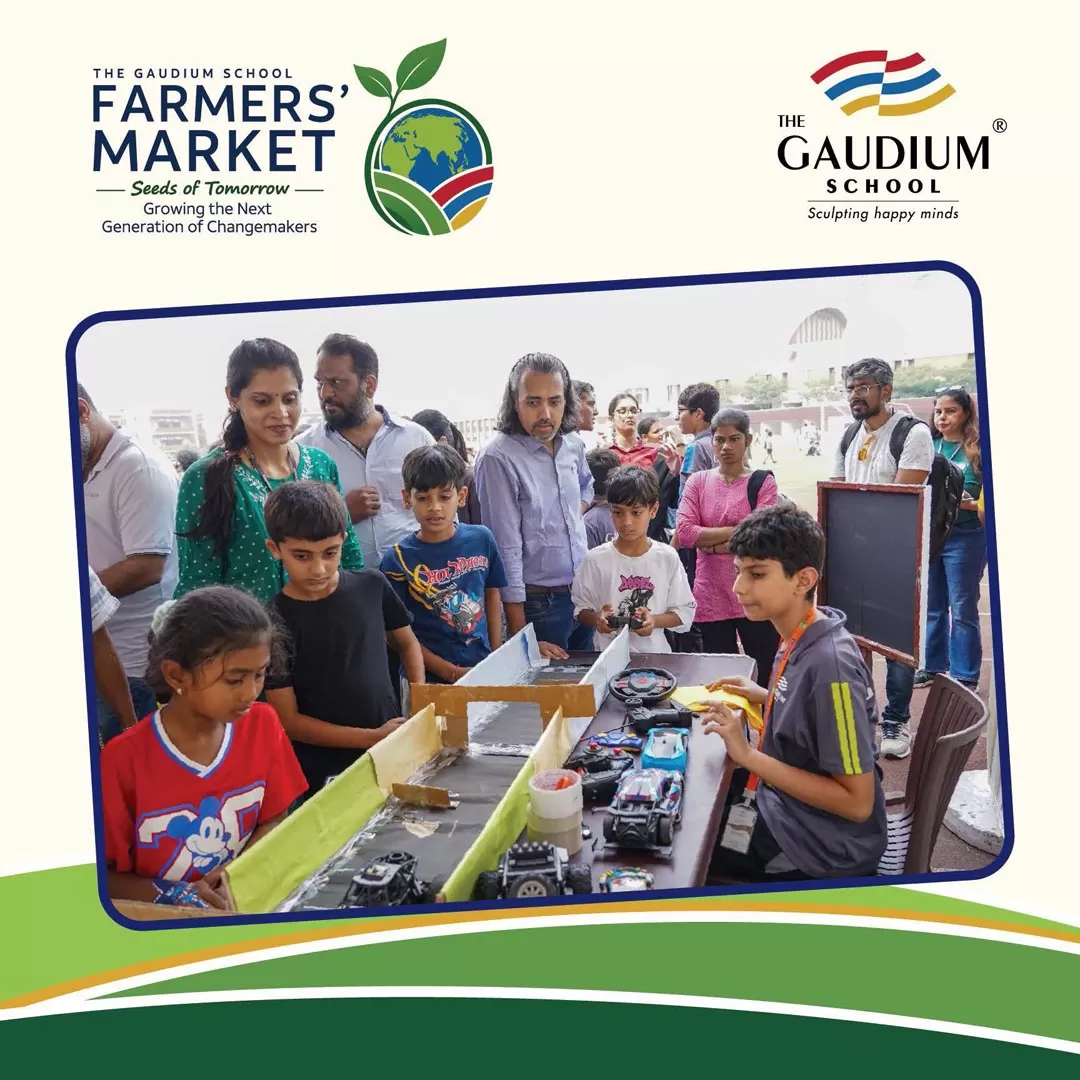
From interactive science exhibits and technological innovations to handcrafted creations, eco-conscious initiatives, traditional art forms and green ventures, each stall embodied student agency. This curation reflected deliberate pedagogical intent: students selected, designed and defended their offerings, embedding competencies in critical thinking, resourcefulness and systems thinking. The diversity of stalls—spanning STEM, sustainability and cultural heritage—affirmed Gaudium’s commitment to developing well-rounded learners who recognise interconnections across disciplines.
The market’s true educational value lay in its facilitation of dialogue. Rather than passive product display, the experience created conditions for meaningful conversations between students and visitors. These interactions cultivated communication skills, deepened students’ understanding of their own learning, and prompted reflection on how individual choices cascade into broader sustainability outcomes. Students articulated purpose, defended choices and refined their thinking in real time—competencies fundamental to 21st-century citizenship.
By positioning students as changemakers rather than consumers, the Farmers’ Market affirmed that creativity and purpose operate most powerfully when unified. Young minds witnessed how entrepreneurial thinking, environmental stewardship and collaborative problem-solving translate into tangible community value. The experience reinforced that learning thrives when tethered to authentic contribution.
This event exemplified Gaudium’s educational philosophy: preparing students not simply to perform within systems, but to design, critique and improve them. The Farmers’ Market was not entertainment; it was a structured opportunity for students to internalise that their ideas matter, that their voices can catalyse change, and that responsibility extends beyond personal achievement into collective wellbeing.