

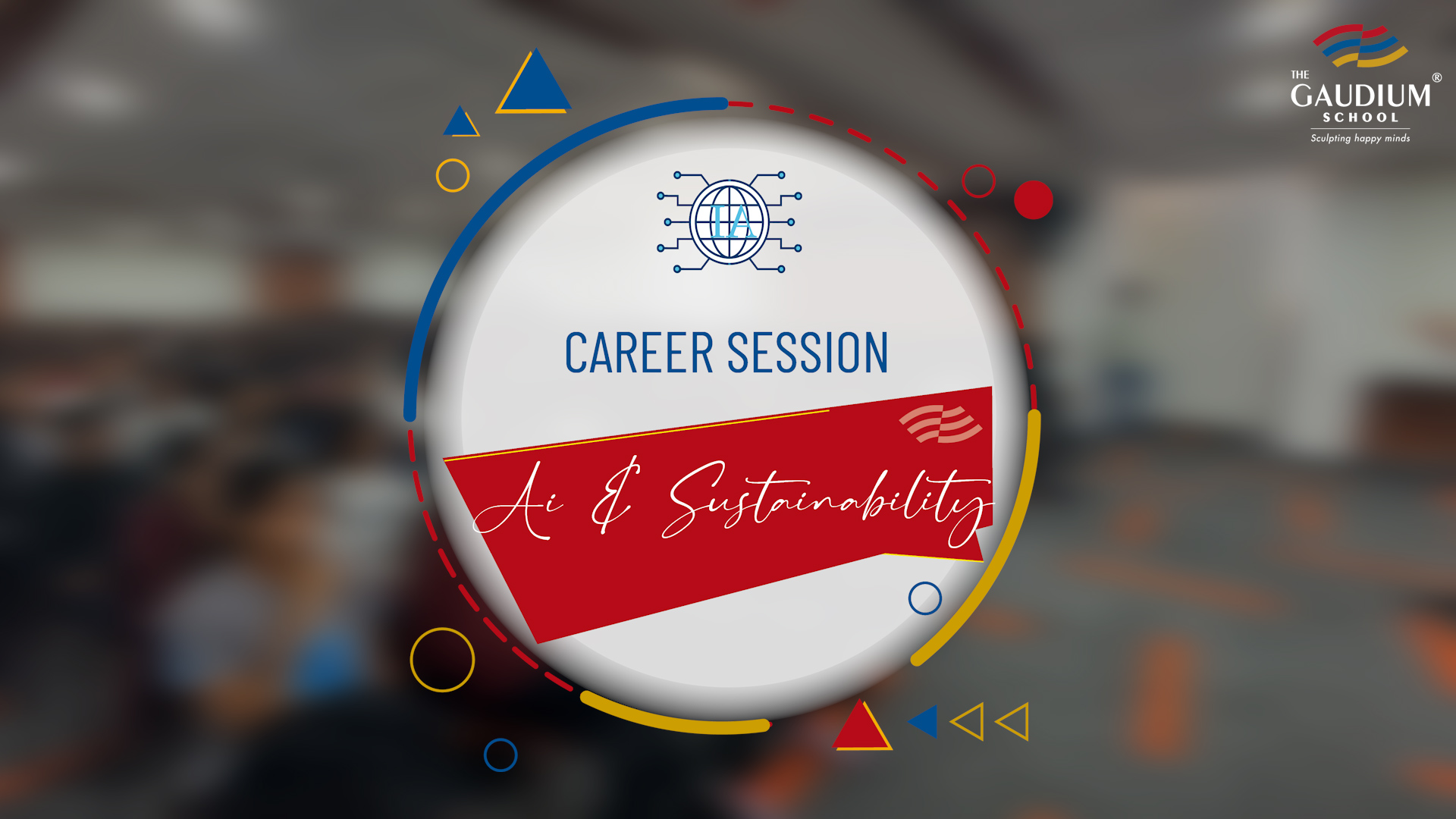
The visit from Mr. Jonathan Andrews of Homerton College, University of Cambridge, to The Gaudium School marked a pivotal moment in the academic journey of its students. By hosting an expert from such a prestigious global institution, the school underscored the vital importance of bridging high-level academic theory with practical, future-ready applications. The core subject of the session, “Sustainable Social Innovation in the Era of AI,” served as a clarion call for students to recognize that the rapid evolution of technology is not just a technical shift, but a profound sociological one that requires a new generation of empathetic leaders.
The importance of this discourse lies in its focus on how emerging technologies can be harnessed to solve the world’s most pressing systemic challenges. Mr. Andrews guided the students through the intricate landscape of social innovation, illustrating that when technology is “sustainable,” it does more than just function; it endures and evolves to benefit society at large. This perspective is crucial in an era where Artificial Intelligence often feels abstract, as it grounds the technology in human-centric goals, ensuring that progress does not come at the cost of our shared social values.
Through a series of engaging discussions and impactful case studies, the session moved beyond the theoretical to explore the transformative power of AI in sectors like healthcare, climate action, education, and policy-making. By examining real-world examples, students were able to witness how data-driven insights can accelerate medical breakthroughs or optimize resource management to combat climate change. These examples emphasized that AI is most effective when it is rooted in empathy, creativity, and ethical responsibility, teaching students that the “code” is only as good as the “conscience” behind it.
The interactive nature of the event, particularly the Q&A session, was essential in fostering a culture of critical inquiry. It provided a platform for learners to reflect on their own roles as future innovators, questioning the status quo and envisioning solutions that are both meaningful and lasting. This dialogue-heavy approach ensures that students are not merely passive consumers of technology but are instead active architects of change, capable of navigating the complex ethical dilemmas that often accompany technological advancement.
Ultimately, the session was as thought-provoking as it was inspiring, leaving the student body motivated to view technology as a definitive force for good. By emphasizing the intersection of social innovation and AI, The Gaudium School has empowered its students to look at the tools of the future not with apprehension, but with the ambition to create a more equitable and sustainable world. The lasting impact of Mr. Andrews’ visit lies in this shift of perspective: turning potential into purpose and curiosity into a commitment to global service.





Leave A Comment