

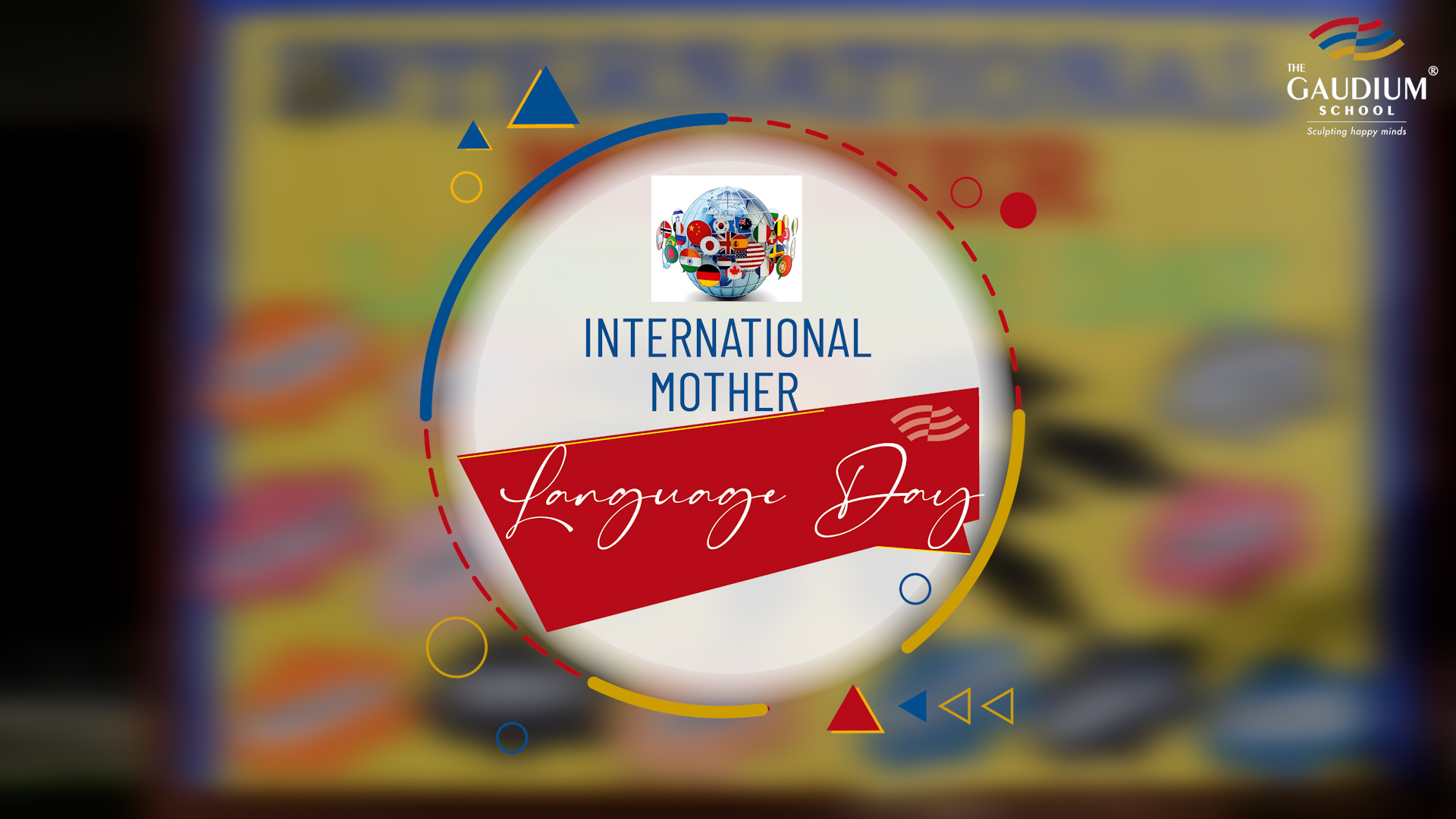
International Mother Language Day serves as a vital global reminder of the need to preserve linguistic diversity, a mission that is particularly crucial during a child’s formative years. At our Kollur and NNK branches, the Early Years students recently brought this concept to life through a vibrant and heartwarming special assembly. For young learners, the mother language is not just a tool for communication; it is the primary lens through which they understand the world and their place within it. By celebrating these “heart languages” in an educational setting, we provide children with a sense of psychological safety and cognitive grounding that is essential for their overall development.
The atmosphere during the celebration was a beautiful reflection of the rich tapestry of cultures that define our school community. Students and teachers took turns introducing themselves in their respective mother tongues, a simple yet profound act that fostered an immediate environment of pride and inclusivity. For a young child, hearing their native language validated by their peers and educators reinforces the idea that their heritage is a source of strength. This recognition helps bridge the gap between their private home life and their public school life, making the learning environment feel like a natural extension of their identity.
At the NNK branch, this connection was further deepened by inviting parents to participate in the festivities. These parents led engaging storytelling sessions in their native languages, weaving narratives that have been passed down through generations. Such activities are invaluable; they allow children to experience the rhythm, nuance, and emotional depth of their mother tongue in a communal setting. When parents share stories in their original language, it reinforces the “connection” mentioned in our school values, proving that multilingualism is a gift that enhances, rather than hinders, a child’s ability to learn.
The celebration also featured a series of confident performances, where our “little ones” took to the stage to perform short skits and present facts about eminent personalities from various regions. By learning about historical figures and cultural icons associated with their linguistic roots, students begin to build a historical context for their identity. These performances were more than just school activities—they were moments of immense pride that allowed children to showcase the beauty of their heritage to their classmates, fostering mutual respect and curiosity about the different worlds their friends inhabit.
Ultimately, this celebration of International Mother Language Day was a powerful testament to the beauty of the languages that unite us. By honoring the linguistic diversity at both the Kollur and NNK branches, we are not only preserving ancient cultures but also equipping our students with the empathy and global perspective needed in the modern world. It was a day where culture and connection took center stage, ensuring that the next generation grows up understanding that while our words may differ, the joy of expression is a universal human experience.


Leave A Comment